If you’ve ever transferred money online, paid your bills through your bank’s app, or received your paycheck via direct deposit, you’ve used EFT—short for Electronic Funds Transfer. In simple terms, an EFT payment is a digital way to move money from one bank account to another without needing paper checks or cash.
Think of it as a high-tech wire transfer, but it is way more common and accessible. From online shopping to paying your rent, EFTs are the backbone of today’s seamless financial ecosystem.
So, whether you’re googling “how to pay online safely” or “what’s the easiest way to send money bank-to-bank,” you’re likely looking for EFT payment processing solutions.
Let’s break it all down in a friendly, easy-to-understand way.
Types of EFT Payments
EFT is a big umbrella that covers several everyday money-movement tools. Here are the most common types:
Direct Deposit
This is probably the most familiar. Employers use it to send paychecks straight to employees’ bank accounts. Government benefits also use direct deposit. It’s fast, secure, and automatic.
Wire Transfers
This is like EFT’s faster cousin. While both are electronic transfers, wire transfers usually happen the same day, sometimes even instantly, but often come with a fee. EFTs, on the other hand, can be free but might take longer.
Automated Clearing House (ACH) Transfers
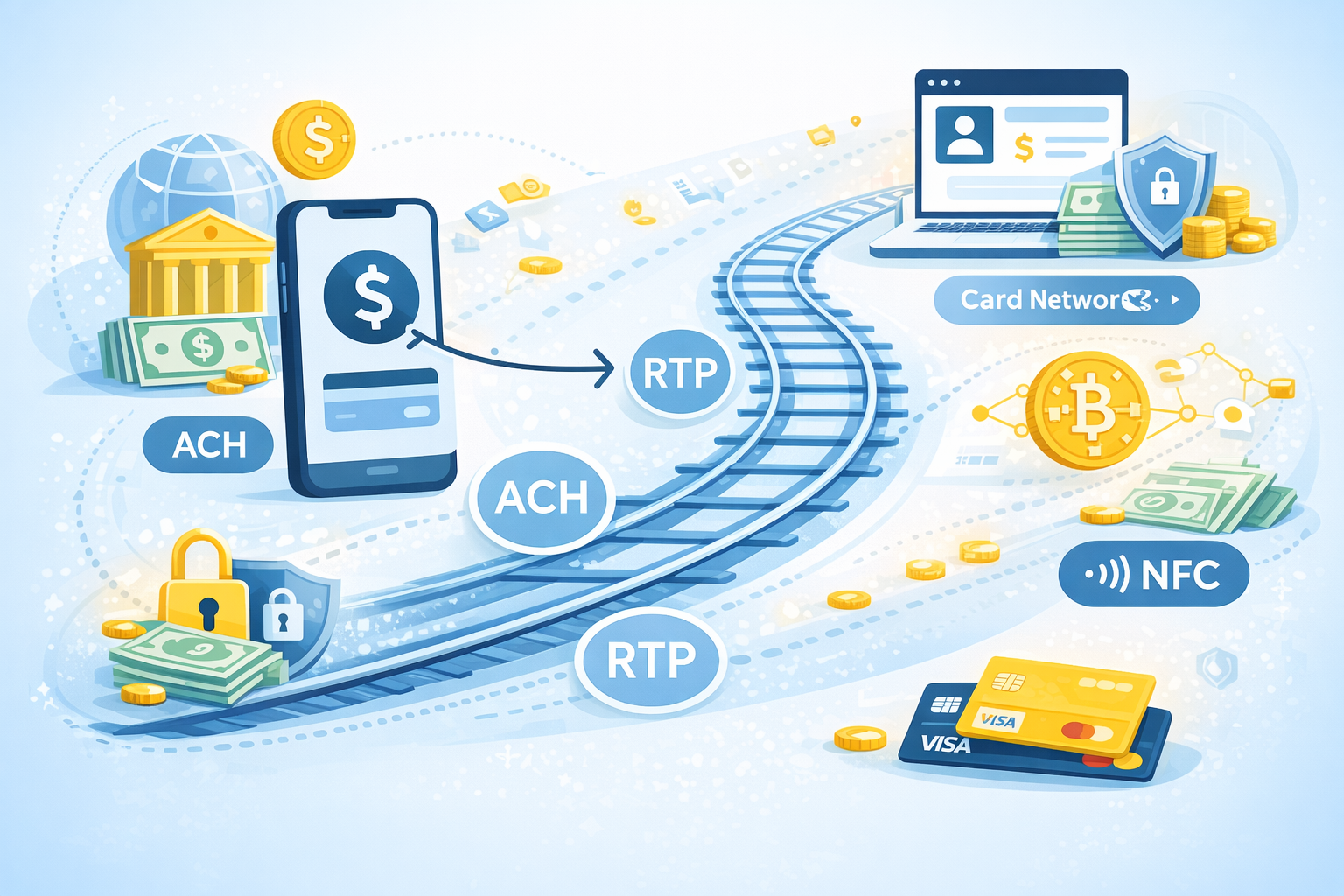
ACH is a batch-processing system that banks use to handle massive volumes of transactions—like your utility payments or monthly subscriptions.
Point of Sale (POS) Transactions
Ever swipe your debit card at the grocery store? That’s an EFT happening in real time.
Online Bill Pay
Many banks offer bill-pay services. You set up recurring or one-time payments to companies or individuals directly from your online banking dashboard.
Peer-to-Peer Payments
Apps like Venmo, PayPal, and Zelle are technically EFTs too. They simplify personal transactions between friends or small businesses.
ATM Transactions
When you move money between accounts using an ATM, that’s also considered an EFT.
How Does EFT Banking Work?
Still wondering, “How does EFT transfer work in banking?” Let’s demystify the process.
When you initiate an EFT—say, paying your internet bill—the request goes from your bank to the payee’s bank via a secure network. Behind the scenes, payment processing solutions step in to ensure the transaction is verified, funds are available, and no fraud is involved.
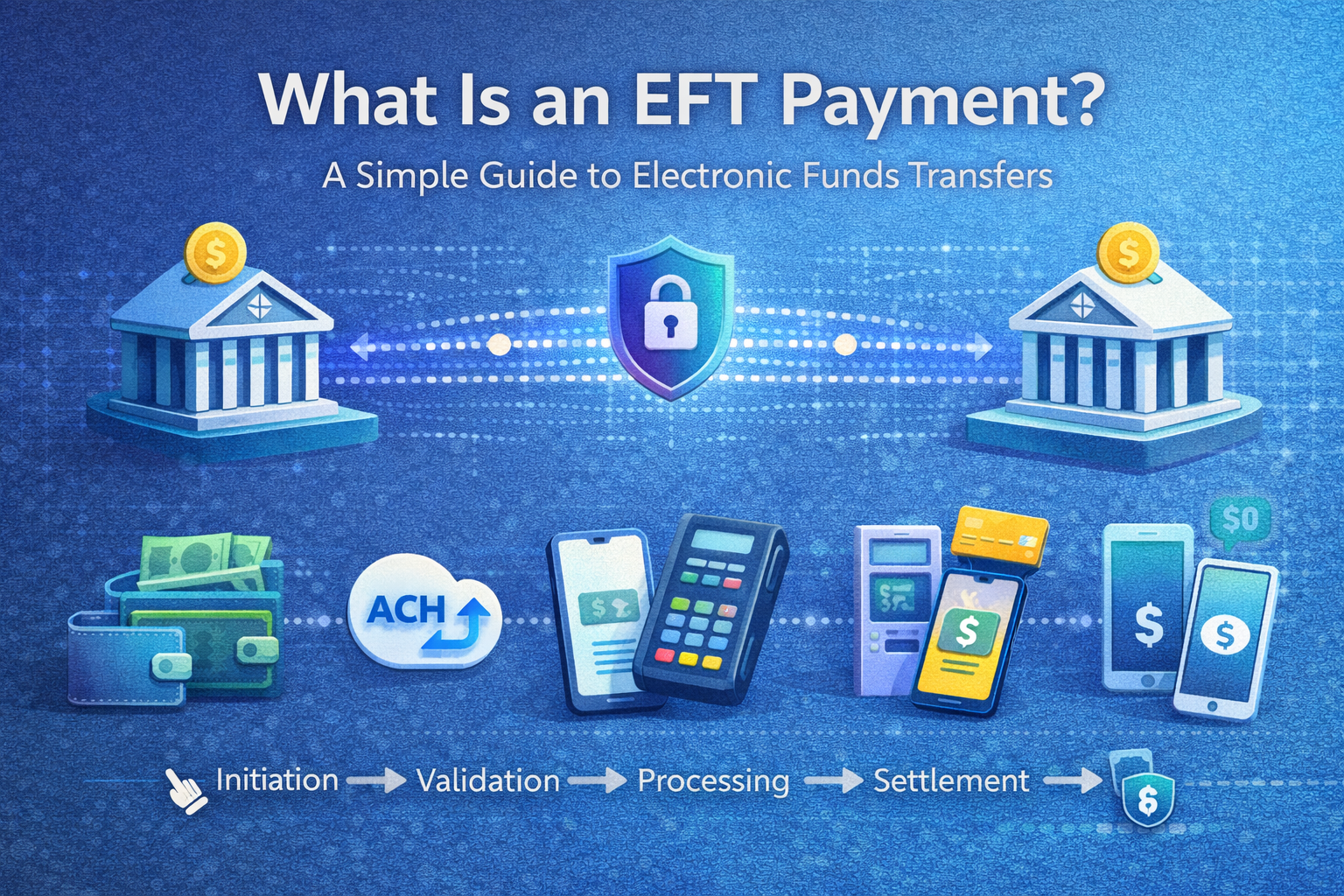
Here’s the typical flow:
- Initiation – You authorize a transfer through your bank, app, or website.
- Validation – Your bank checks if your account has enough funds.
- Processing – The data moves through networks like ACH or SWIFT.
- Settlement – Funds are debited from your account and credited to the recipient’s account.
Throughout this, payment processing solutions monitor, record, and report the entire transaction lifecycle, ensuring your money lands where it should.
How Long Do EFT Payments Take to Clear?
People often ask, “How long does EFT take between banks?” The answer depends on the type of EFT.
- ACH Transfers: Usually 1–3 business days
- Wire Transfers: Often same day (sometimes within hours)
- Direct Deposits: Scheduled but typically clear on payday
- POS & ATM Transactions: Usually instant or within a few minutes
- Online Bill Payments: 1–5 business days, depending on whether it’s a digital or a mailed check
Weekends and holidays can delay EFT clearing times. Some banks offer expedited payment processing solutions to speed things up, but usually for a fee.
EFT Payment Method Regulations
You might be thinking, “Are EFT payments safe?” Short answer: Yes—but they’re also tightly regulated.
Key Regulations You Should Know:
Electronic Fund Transfer Act (EFTA)
This U.S. law protects consumers using EFT services. If there’s an unauthorized transfer, you can dispute it—usually within 60 days.
2. Regulation E
This regulation enforces the EFTA. It spells out what your bank must do if something goes wrong, like handling errors or unauthorized payments.
3. Bank Secrecy Act (BSA)
Mandates record-keeping and reporting to detect and prevent financial crimes.
4. Payment Card Industry Data Security Standard (PCI DSS)
While not a law, this industry-standard ensures that businesses handling debit/credit card data do so securely.
5. OFAC (Office of Foreign Assets Control)
Regulates international EFT payments by screening for sanctioned entities or countries.
Reliable payment processing solutions stay compliant with all these laws and help businesses avoid penalties.
Why Are EFT Payments So Popular?
It’s no surprise that EFT payments are skyrocketing. Here’s why:
- Convenience: You can transfer money 24/7.
- Speed: Payments can clear in minutes or days.
- Security: Encrypted and verified by layers of security checks.
- Low Cost: Most EFT services are free or low-fee.
- Paperless: No need for checks or cash.
Thanks to advanced payment processing solutions, EFTs are now more reliable than ever.
Conclusion
EFT payments are everywhere—from your paycheck to your rent, from online shopping to splitting dinner with friends. They’re fast, secure, and here to stay.
Understanding how EFT works—and which payment processing solutions best support your needs—can help you make smarter financial decisions in today’s digital world.