Imagine this: You’re booking a flight to Tokyo from your home in London. You’re charged in yen, your bank instantly deducts the equivalent pounds from your account, and you pay no surprise fees or conversion charges. All of it happens seamlessly, no cards, no third-party processing headaches. Welcome to the future, powered by A2A payments and multi-currency pricing.
These two innovations aren’t just fintech buzzwords; they’re redefining what payment processing solutions look like in the next generation of global commerce.
Let’s break it all down.
The A2A Revolution
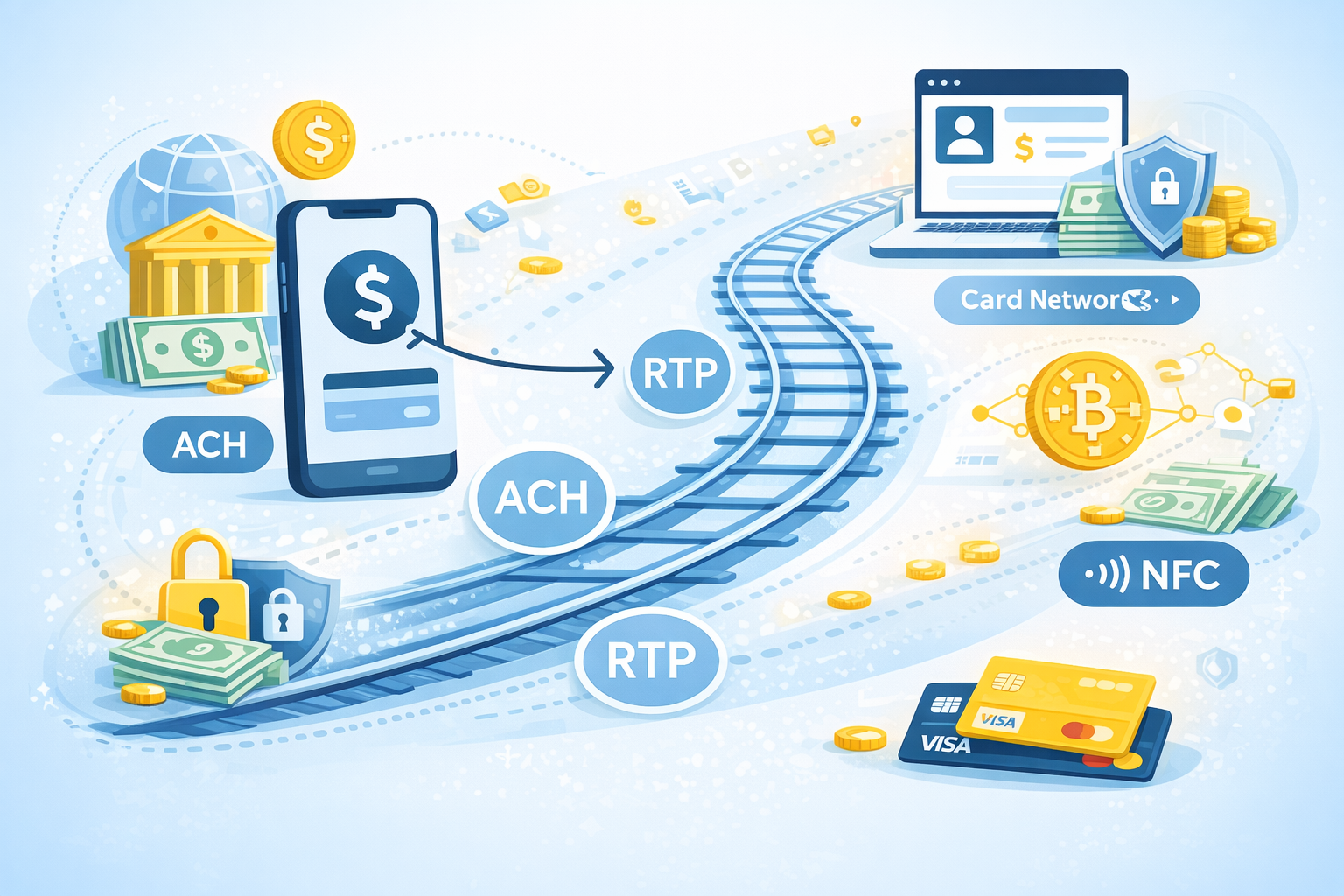
Account-to-account (A2A) payments are exactly what they sound like: money moving directly between two bank accounts without intermediaries like card networks or digital wallets. Powered by open banking and real-time payment rails, A2A cuts out the middlemen and the inefficiencies.
And businesses are taking note.
According to Juniper Research, global A2A transactions are expected to grow from 59 billion in 2024 to 186 billion by 2029, a staggering 209% increase.
So why the surge?
- Faster settlement: No waiting 2–3 days like with cards.
- Lower fees: You skip interchange and reduce costs dramatically.
- Increased security: Bank-level authentication means less fraud.
Incorporating A2A capabilities into payment processing solutions allows merchants to offer lightning-fast checkouts with fewer fees—a win-win.
Banks, fintechs, and merchants are jumping on board. Countries like the UK (via Faster Payments), Brazil (Pix), India (UPI), and Singapore (PayNow) are setting the gold standard in A2A implementation.
The best part? Consumers are starting to trust it. They see it’s not just faster, it’s smarter.
Multi-Currency Pricing: The Traveller’s Edge
If you’ve ever been hit with surprise international fees, you know the struggle.
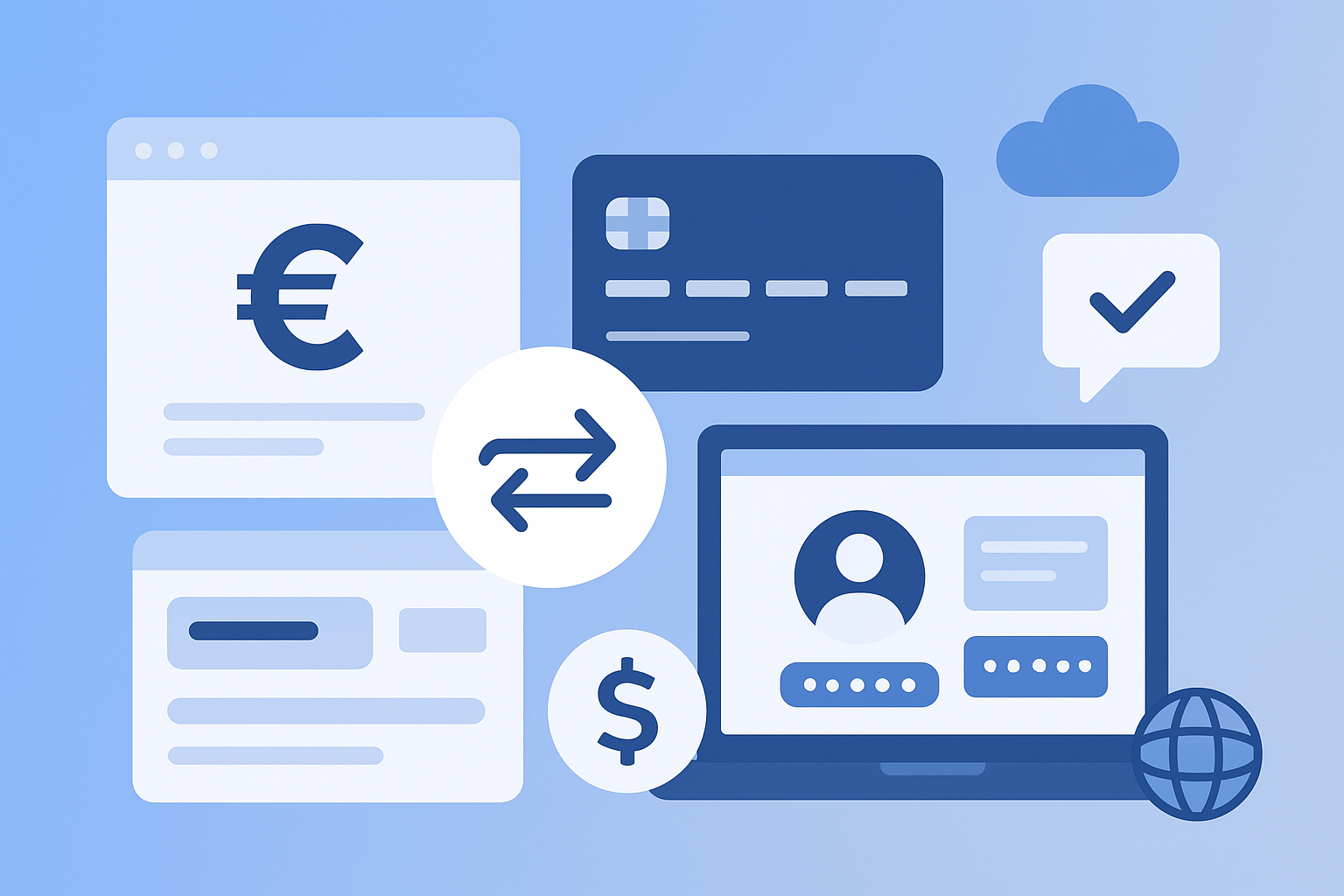
Multi-currency pricing (MCP) solves this. It lets international customers pay in their local currency, with no hidden charges, no currency conversion confusion.
Imagine you’re from Germany shopping online from a US store. If that retailer uses MCP, you’ll see the price in euros and pay that exact amount, straightforward and transparent.
For travelers, this is the ultimate convenience. No more:
- Guessing currency conversion rates.
- Worrying about FX markups.
- You will receive unexpected charges from your bank later.
And for merchants, the benefits are massive:
- Higher conversions: Customers are more likely to complete a purchase when pricing feels local.
- Fewer disputes: Transparency eliminates misunderstandings over charges.
- Expanded reach: You’re essentially speaking your customer’s “financial language.”
Travel brands like Booking.com, Expedia, and airlines have embraced this, and it’s paying off.
More and more payment processing solutions are bundling MCP into their offerings to help brands reach truly global audiences.
Opportunities and Obstacles
A2A and multi-currency pricing offer transformative opportunities, but they’re not without a few bumps.
The Big Opportunities
- Cost savings: No more relying solely on card networks. Businesses can save thousands on fees.
- Frictionless experiences: Real-time payments and familiar currency displays = happy customers.
- New markets: With localized pricing and bank transfers, merchants can confidently sell globally.
In fact, A2A e-commerce payments are projected to grow from $525 billion in 2022 to $850 billion by 2026, according to The Paypers and FIS.
Businesses that embrace these models early will be ahead of the curve and better positioned to attract modern, mobile-first customers.
But Here’s the Catch
- Consumer habit: Many shoppers are still used to cards. A2A must be intuitive to break that habit.
- Fragmented rails: Each country has its own A2A system. That makes global scaling tricky.
- Regulatory challenges: Multi-currency pricing must follow strict cross-border compliance rules.
- Fraud prevention: Real-time payments mean less buffer time to detect suspicious activity.
Still, these aren’t dealbreakers. They’re signs of a maturing system that requires careful planning and smarter infrastructure, especially within your payment processing solutions.
Preparing for the Future
If you’re a business, big or small, now’s the time to prepare.
1. Audit Your Current Payment Stack
Is your checkout still reliant solely on cards? That’s a vulnerability. Upgrade to include A2A options via modern payment processing solutions like Stripe, Adyen, or TrueLayer.
2. Start Piloting Multi-Currency Pricing
Even if you serve just one international market, test MCP. You’ll likely see a bump in conversions, particularly from travel-heavy demographics.
3. Lean Into Open Banking APIs
Use APIs that allow you to connect directly to customer bank accounts. This is the tech backbone of A2A.
4. Choose Partners That Offer Flexibility
Look for payment processing solutions that:
- Support regional A2A payment rails
- Offer dynamic FX pricing and local settlement
- Have compliance expertise in multi-jurisdiction finance
5. Focus on UX
Make sure the A2A experience feels just as familiar as paying with a card. Simple interfaces, clear confirmation screens, and localized options go a long way.
Conclusion
The A2A revolution isn’t coming, it’s already here. And when paired with multi-currency pricing, it’s redefining how we pay, shop, and sell across borders.
It’s not about replacing cards entirely. It’s about giving customers choice, speed, and clarity, and letting businesses lower their costs, improve margins, and scale smarter.
Payment processing solutions that embrace A2A and MCP aren’t just upgrading tech, they’re building the blueprint for the next generation of global commerce.