Ever wondered, “What is a payment gateway, and how does it work?” Or maybe you’ve Googled “best payment processing solutions for small businesses”? You’re not alone. In today’s fast-paced online world, having a solid grasp of payment gateways isn’t just nice to have—it’s essential. So, let’s break it down and talk through everything you need to know about using multiple payment gateways for your business.
What Is a Payment Gateway, Anyway?
In the simplest terms, a payment gateway is like the middleman between your customer’s bank and your business. It helps process card payments securely online. Think of it as the digital version of a point-of-sale terminal. With good payment processing solutions, the entire process feels seamless to the customer.
Why Use Multiple Payment Gateways?
If you’ve ever asked, “Why should I use more than one payment gateway?”, here’s your answer: because it gives you options. And in business, options = power.
The Pros of Having Multiple Payment Gateways
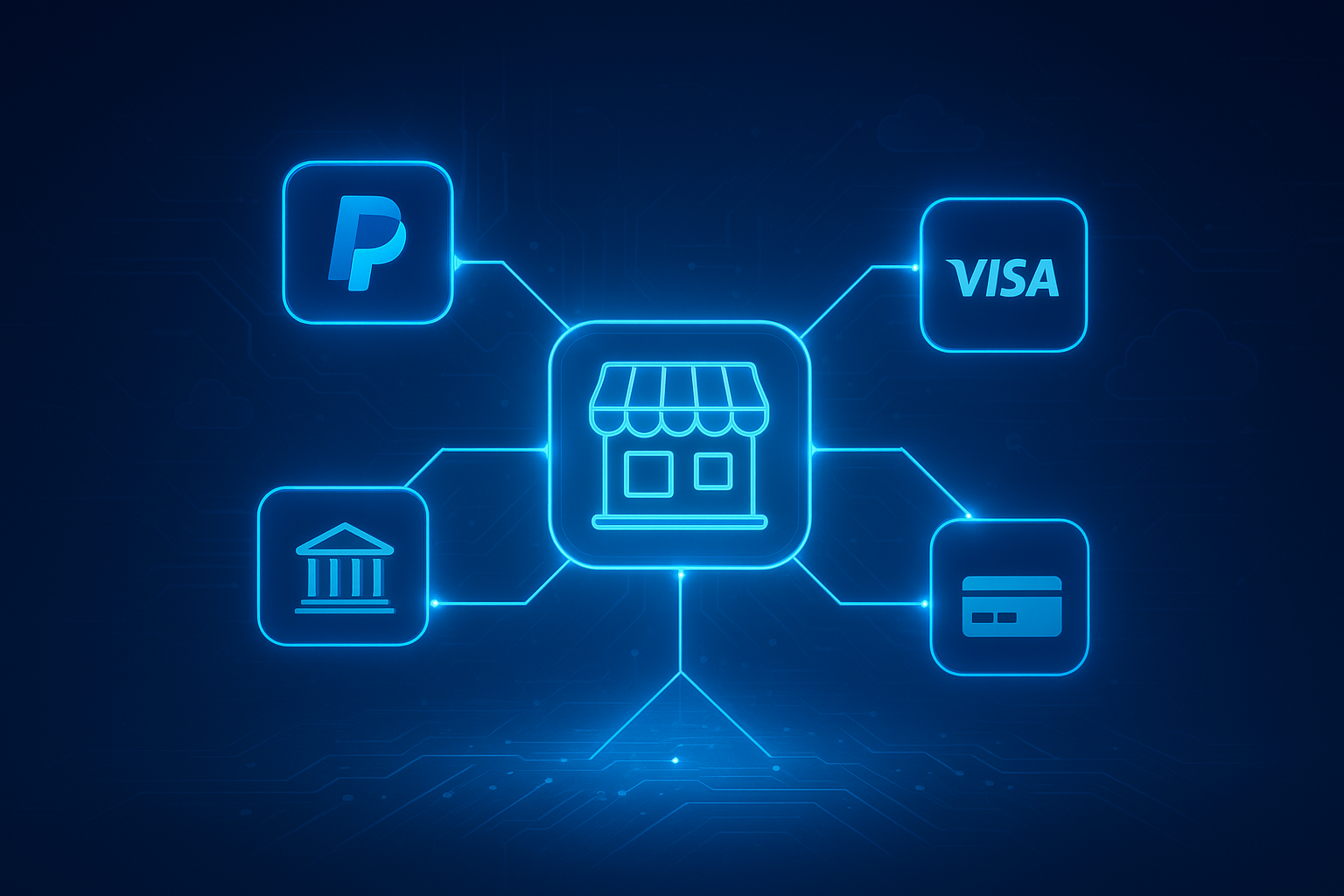
Increased Conversion Rates: Some customers trust PayPal, while others prefer Stripe or local banks. Offering multiple options caters to everyone.
- Backup During Outages: If one payment gateway goes down, others are there to keep sales rolling.
- Global Reach: Different gateways work better in different regions. Having several ensures you can accept payments from around the world.
- Reduced Cart Abandonment: More choices = fewer abandoned carts.
Want your payment processing solutions to be foolproof? This is the way.
The Cons of Having Multiple Payment Gateways
- Higher Complexity: More gateways mean more systems to manage.
- Increased Fees: Some gateways charge setup or transaction fees, so the more you have, the higher the potential cost.
- Integration Headaches: It can get tricky juggling multiple payment gateway integration
- Data Fragmentation: Tracking and reconciling transactions can get messy.
But if done right, these challenges are manageable.
How to Integrate Payment Gateways
So, how do you actually do payment gateway integration without losing your mind?
- Pick the Right Platforms: Go for payment processing solutions that offer strong APIs, documentation, and community support.
- Use Plugins or Extensions: Platforms like Shopify, WooCommerce, and Magento make integration easier.
- Test Thoroughly: Always use sandbox environments before going live.
- Consult Developers: Don’t DIY unless you really know your stuff.
This is one of those “how to set up multiple payment gateways on your website” kind of moments. Do it right from the start.
How to Support Multiple Payment Gateways
After setup, how do you manage and support multiple payment gateways?
- Centralized Dashboard: Use a tool or build a dashboard to view all transactions in one place.
- Monitor Uptime and Performance: Set alerts for any downtime.
- Train Your Team: Customer support should know how each gateway works.
- Regular Updates: Stay updated on new features, security patches, and performance tweaks.
These steps ensure your payment processing solutions stay reliable.
Essential Features to Look for in a Payment Gateway Integration
Before adding a new gateway, ask yourself:
- Does it support recurring billing?
- Is it PCI-DSS compliant?
- How good is their fraud detection?
- Does it play well with others?
- Is customer support solid?
Great payment processing solutions have these baked in. During payment gateway integration, these should be top priorities.
Conclusion
Multiple payment gateways aren’t just a tech trend—they’re a smart business move. Yes, there are a few bumps in the road, but the payoff is worth it. From better customer satisfaction to more consistent cash flow, the right mix of payment gateway integration and payment processing solutions can seriously level up your business.
Still wondering “how to integrate multiple payment gateways without complicating my website”? You now have the answer.