If you’re running a business, whether it’s a brick-and-mortar shop, an e-commerce store, or something in between, understanding payment processing is absolutely essential. Customers expect fast, secure, and seamless transactions. But the behind-the-scenes work? That’s where things get a bit technical.
In this blog, we’re diving into the most common questions about payment processing that business owners ask. From how it works to choosing the right tools and ensuring security, we’re covering it all, without the jargon overload.
What is payment processing?
Let’s start with the basics.
Payment processing refers to the steps involved in completing a transaction when a customer makes a purchase using a credit card, debit card, or digital wallet. Whether you’re using a point-of-sale (POS) system or accepting payments online, you’re using a payment processing solution to handle that transaction.
Think of it as the middleman between the customer, your business, and the banks involved. A smooth payment process means your customers are happy and you get paid quickly.
How does payment processing work?
Although it may seem instantaneous, a lot happens in the background within just a few seconds. Here’s a simplified overview:
- The customer initiates a payment using their card or mobile device.
- The transaction request goes through a payment gateway integration (especially for online businesses).
- The payment processor then routes the request to the customer’s bank for approval.
- If approved, the funds are held and then transferred to the merchant’s account.
- The customer gets confirmation, and the transaction is complete.
It’s a complex process, but with the right payment processing solutions, it all happens in the blink of an eye.
What are the steps in the payment processing cycle?
Here’s a breakdown of the cycle:
- Authorization: The card-issuing bank verifies if the customer has enough funds.
- Authentication: Security checks to confirm the customer is legitimate.
- Clearing: Transaction data is sent to the card networks and then to the banks.
- Settlement: Funds move from the customer’s bank to the merchant’s bank account.
From start to finish, this entire cycle is managed by your payment processor and payment gateway integration working together.
What is the difference between a payment gateway and a payment processor?
Great question! These two terms are often confused.
- A payment gateway is the technology that captures and sends card information from the customer to the processor, especially important for online transactions.
- A payment processor communicates between the merchant, card networks, and banks to actually move the money.
In other words, payment gateway integration ensures a smooth user experience on your site, while the processor handles the financial transactions behind the scenes. Both are essential components of effective payment processing solutions.
Are online payments secure?
Yes, when handled correctly. Online payments have come a long way in terms of security. A strong payment gateway integration will use encryption and fraud detection to protect cardholder information.
Look for providers that offer:
- SSL certificates
- Multi-factor authentication
- Fraud protection tools
- End-to-end encryption
If your business uses payment processing solutions with built-in security features, you and your customers are in good hands.
What is PCI compliance in payment processing?
PCI compliance refers to the Payment Card Industry Data Security Standards (PCI DSS). These are regulations all businesses must follow if they handle credit card data.
Compliance helps prevent data breaches, fraud, and other risks. Even if you’re using third-party payment processing solutions, you still have responsibilities like ensuring your website or POS system is secure.
Many payment gateway integrations are PCI-compliant by default, but it’s still important to understand your role in keeping customer data safe.
Can payment processors handle international transactions?
Absolutely. But not all processors are created equal when it comes to cross-border transactions.
If you serve international customers, you’ll need a provider that supports:
- Multiple currencies
- Local payment methods
- Global fraud protection
- Language localization
Modern payment processing solutions are increasingly global-friendly. Just make sure to double-check any fees or settlement delays for foreign transactions.
What happens if a payment fails?
A failed payment can occur for several reasons:
- Insufficient funds
- Expired cards
- Incorrect card details
- Network issues
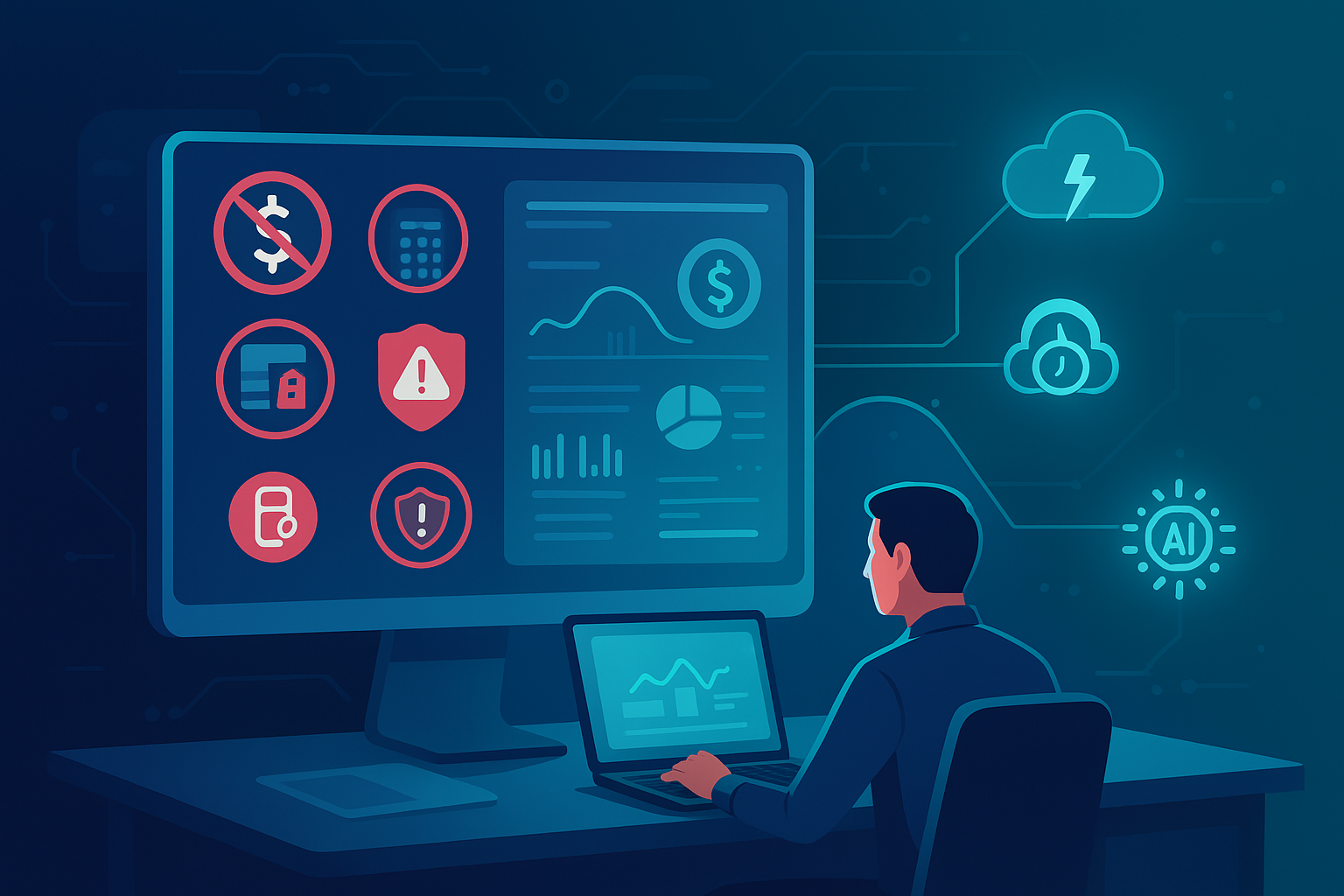
When this happens, your payment processor will return a specific error code explaining why. Good payment processing solutions will allow you to send an alert to the customer and prompt them to retry or use another method.
And for subscription-based businesses, tools like automated retry logic and dunning emails can help recover failed payments with minimal manual effort.
What types of payments can a processor handle?
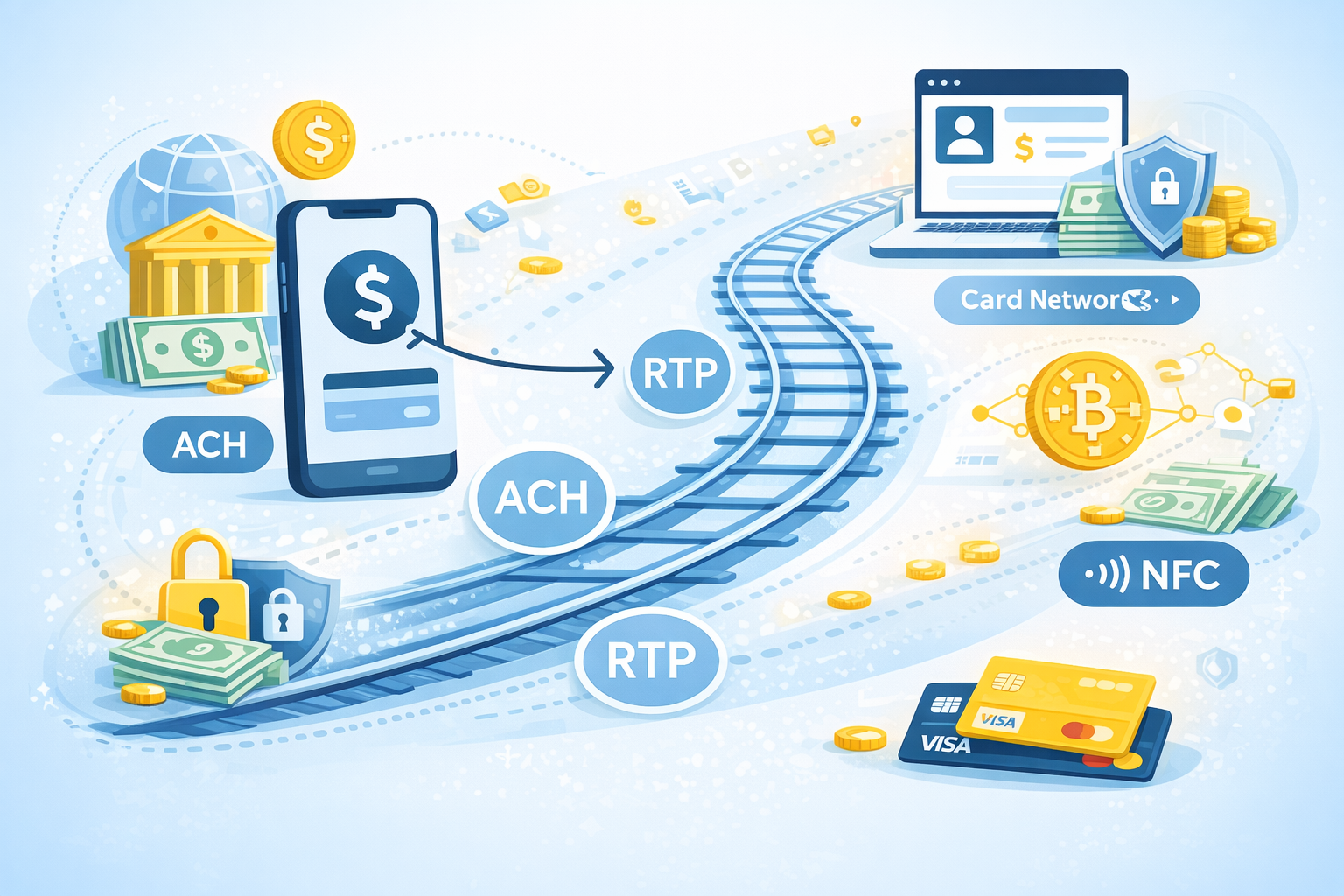
Today’s payment processing solutions can handle a wide range of payment types:
- Credit and debit cards (Visa, Mastercard, etc.)
- ACH transfers and bank payments
- Digital wallets (Apple Pay, Google Pay)
- Buy now, pay later (BNPL) options
- Mobile payments via QR codes or apps
Through reliable payment gateway integration, businesses can offer flexibility at checkout, which often leads to higher conversion rates and customer satisfaction.
What is tokenization in payment processing?
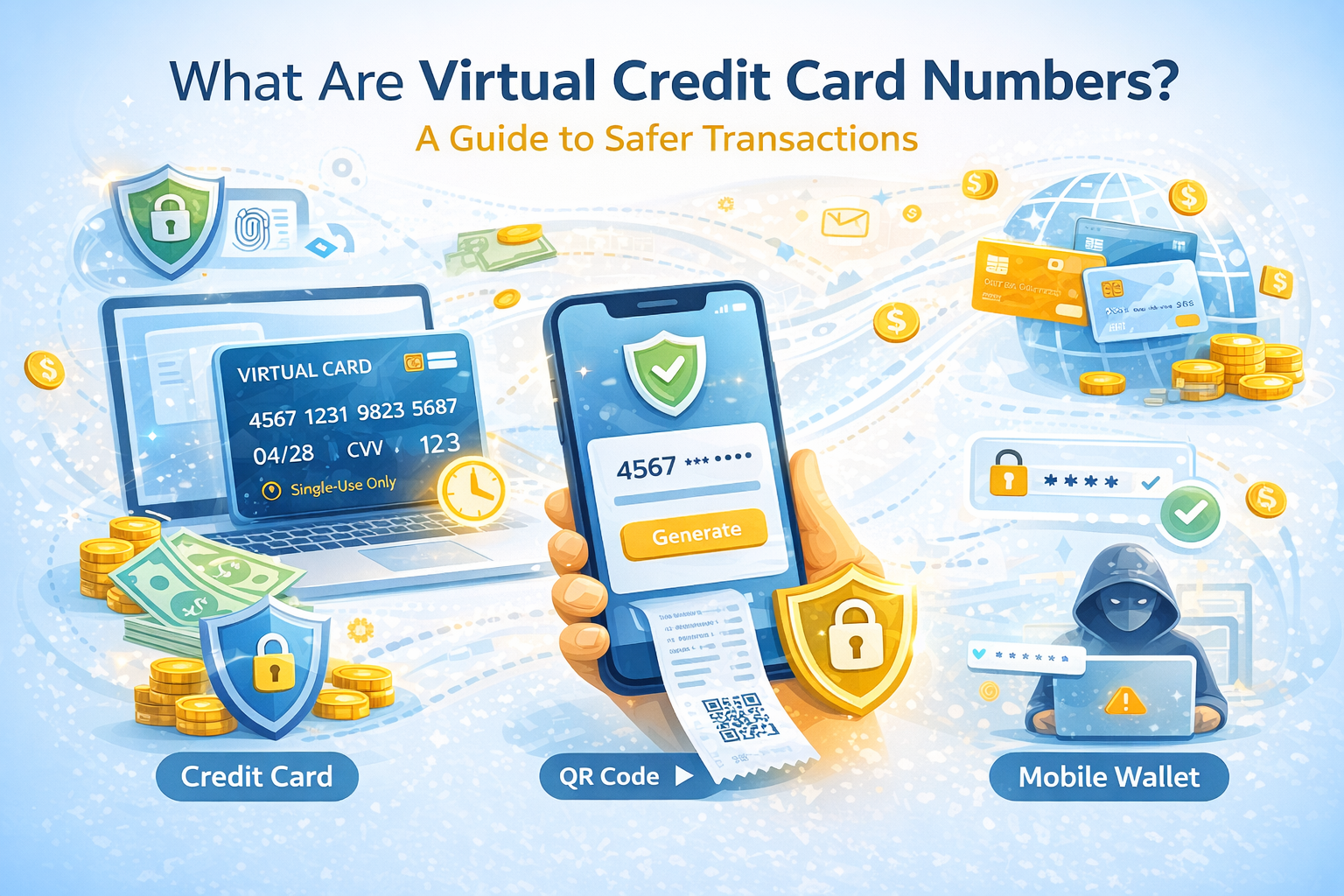
Tokenization is a security measure that replaces sensitive payment data with a randomly generated token. This token is meaningless on its own but maps back to the original card number through secure systems.
For example, when a customer enters their card number on your website, the payment gateway integration sends that data through a secure tokenization process. That token is stored, not the real card data.
It’s one of the key tools used by modern payment processing solutions to protect data and minimize liability in case of a breach.
What’s the best payment processor for high-risk businesses?
“High-risk” might sound bad, but it’s just how processors define businesses with more chargebacks, fraud risk, or regulatory scrutiny, think travel agencies, CBD sellers, adult content providers, etc.
The best processors for high-risk businesses are those that:
- Specialize in your industry
- Offer fraud tools and chargeback protection
- Support recurring billing or subscription models
- Include robust payment gateway integration
Some popular options in this space include PaymentCloud, Durango Merchant Services, and PayKings. Each offers tailored payment processing solutions built specifically for high-risk merchants.
Conclusion
Choosing the right payment processing solutions and payment gateway integration is critical to running a successful business today. Whether you’re just starting or scaling globally, understanding the payment landscape can help you:
- Reduce failed payments
- Improve customer experience
- Increase your revenue
- Maintain security and compliance
So take the time to ask questions, compare providers, and invest in a system that fits your needs now and grows with you later.