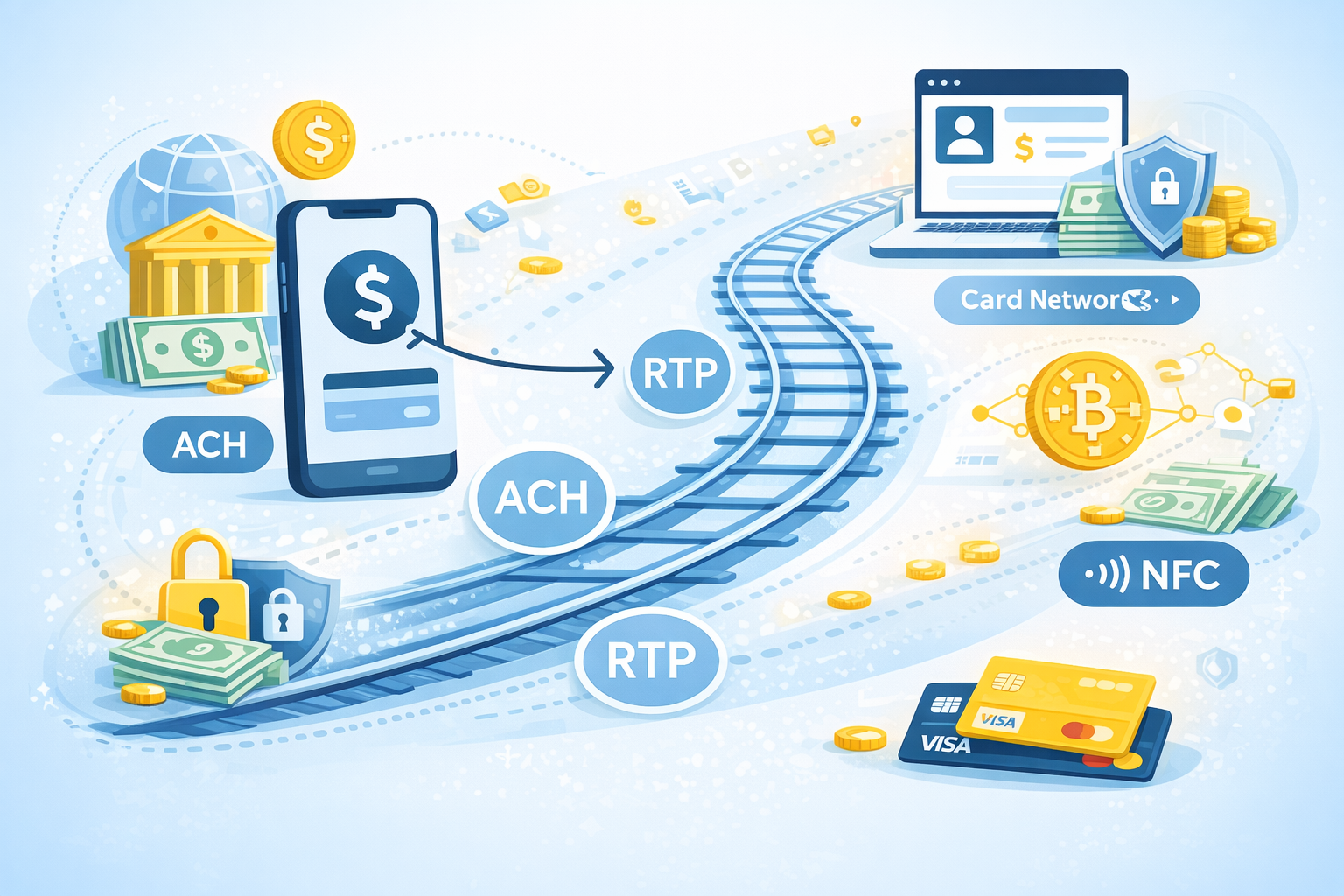
In today’s digital era, accepting card payments is no longer optional—it’s essential. Whether you’re running a retail store, a restaurant, or a delivery service, payment processing solutions like EDC machines make transactions smoother for both you and your customers.
But what exactly is an EDC machine, and how does it fit into the broader world of point-of-sale systems? Let’s break it all down in a simple, no-jargon guide that covers everything from how they work to which one might be best for your business.
What Is an EDC Machine?
An EDC machine (Electronic Data Capture machine) is a device used by merchants to accept credit and debit card payments. It reads card information, processes payment data, and facilitates fund transfers from the customer’s bank to the merchant’s account.
Think of it as the backbone of modern-day card transactions; without it, we’d still be dealing with cash-only counters and paper receipts.
EDC machines are a crucial part of many point-of-sale systems, especially for businesses looking for payment processing solutions that are fast, secure, and efficient.
How Does an EDC Machine Work?
So, how does this little box of magic do its job? It’s actually a pretty seamless process:
- Card Swipe/Insert/Tap: A customer presents their card, whether it’s magnetic stripe, chip-based (EMV), or contactless (NFC).
- Transaction Initiation: The machine captures encrypted card data and sends it through a payment gateway to the acquiring bank.
- Authorization: The bank checks the availability of funds and authorizes the transaction.
- Confirmation: If approved, the EDC machine prints a receipt, and the transaction is complete.
All this happens in a matter of seconds! Some modern machines even integrate with point-of-sale systems to sync transactions with inventory and sales records.
Features of EDC Machines
EDC machines come with a range of features that make them powerful tools for any merchant:
- Multiple Payment Modes: Accepts magnetic stripe, EMV chip, NFC/contactless cards, and mobile wallets like Apple Pay or Google Pay.
- Connectivity Options: Works over Ethernet, Wi-Fi, or mobile data, making it usable both in-store and on the go.
- User Interface: Most have a simple screen with tactile buttons or touchscreen functionality.
- Receipt Printing: Many come with built-in printers; some offer digital receipts via email or SMS.
- Battery Powered: Portable EDCs come with rechargeable batteries, great for mobile businesses.
- Security Compliance: PCI DSS certified and equipped with end-to-end encryption.
These features ensure your EDC machine isn’t just a transaction terminal—it’s part of a broader payment processing solution designed to grow with your business.
Difference Between EDC and POS Machines
Now, here’s where it gets a bit confusing. Many people use “EDC machine” and “POS machine” interchangeably, but they’re not exactly the same.
| Feature | EDC Machine | POS Machine |
| Primary Function | Card payment processing | Full transaction and sales management |
| Components | Card reader, receipt printer | Screen, card reader, inventory & analytics |
| Integration | Can work standalone or with a POS | Always part of a POS ecosystem |
| Usage | Basic payment acceptance | Complete sales, billing, and stock handling |
In short, EDC machines focus solely on payments, while point-of-sale systems offer an all-in-one solution for managing sales, inventory, and reporting.
That said, many modern payment processing solutions now combine both into hybrid systems to give businesses the best of both worlds.
How Does the EDC Machine Provide Payment Security?
Security is a big deal, especially when it comes to financial data. Thankfully, EDC machines are built to offer multiple layers of protection:
- End-to-End Encryption: Card data is encrypted from the moment it’s captured until it reaches the bank.
- Tokenization: Some systems replace card data with a unique token during processing to add an extra shield.
- EMV Compliance: Chip cards drastically reduce the risk of fraud compared to magstripe cards.
- Two-Factor Authentication: In many regions, PIN input or biometric verification is required.
- PCI DSS Certification: All reputable EDC machines comply with Payment Card Industry Data Security Standards.
This means customers can swipe, tap, or insert with confidence, knowing their data is safe, and you, the merchant, are protected from potential fraud.
Which EDC Machine Is Ideal for Your Organization?
Choosing the right EDC machine depends on your business type and daily transaction needs. Here’s a quick guide:
For Retail Stores:
Go for a fixed countertop EDC with Ethernet or Wi-Fi connectivity and integrated inventory sync.
For Restaurants:
A mobile EDC that accepts contactless payments and splits bills is your best bet.
For On-the-Go Services (Delivery, Field Sales, etc.):
Use a battery-powered GPRS or 4G-enabled EDC machine. These are portable and perfect for remote payments.
For High-Volume Businesses:
Invest in an all-in-one POS terminal with an embedded EDC module and advanced analytics.
Whatever you choose, ensure it’s part of a payment processing solution that’s scalable, secure, and user-friendly.
The Do’s and Don’ts of EDC Machines for Merchants
Let’s wrap it up with some real talk. Here’s how to make sure you’re using your EDC machine like a pro:
Do’s:
- Train Your Staff: Everyone should know how to operate, troubleshoot, and clean the machine.
- Check Connectivity: Always ensure you have a reliable internet or mobile data connection.
- Keep It Charged: Especially important for portable EDCs.
- Secure It: Use tamper-proof mounts or locks in public-facing environments.
- Regularly Update Software: This keeps your machine secure and bug-free.
Don’ts:
Don’t Share Admin Access: Keep device settings protected.
Don’t Delay Settlements: Settle payments daily to maintain cash flow.
Don’t Skip Receipts: Always offer a receipt for every transaction.
Don’t Use in Extreme Conditions: Avoid moisture, dust, or direct heat.
Conclusion
Whether you’re just starting your business or upgrading your existing tech, understanding EDC machines is a must. They’re not just gadgets; they’re your gateway to better customer experiences, smoother checkouts, and faster settlements.
Paired with the right point-of-sale systems and backed by robust payment processing solutions, an EDC machine can transform how you