In today’s digital-first world, shopping online is more of a lifestyle than a luxury. But let’s be real—no one likes the idea of their card details floating around cyberspace. That’s where virtual credit card numbers come in, offering a smart layer of protection for your online spending. Curious? Let’s break it all down in a way that actually makes sense.
What Is a Virtual Credit Card Number?
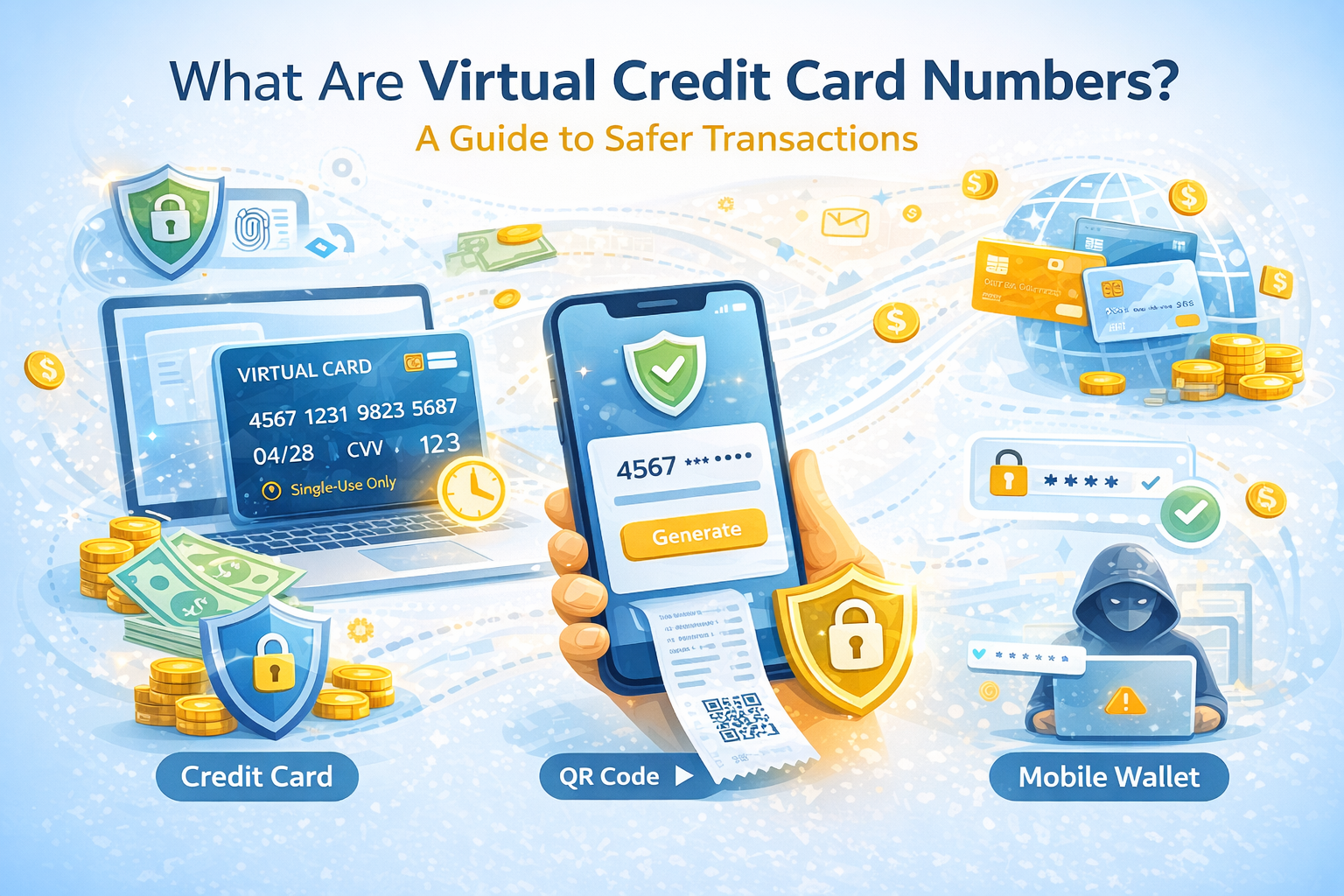
Imagine you’re about to buy something online, but instead of entering your real credit card details, you generate a temporary one-time number tied to your actual account. That, my friend, is a virtual credit card number.
It’s a randomly generated 16-digit number, complete with an expiration date and CVV, that you use in place of your actual card number. These numbers are disposable, secure, and often created through your bank or credit card provider’s app or web portal.
Virtual cards are the unsung heroes of modern payment processing solutions, helping to minimize fraud, reduce identity theft, and simplify secure transactions.
How Virtual Credit Cards Work
Here’s how they typically operate:
- Generate a Number: Log in to your banking app or platform and create a virtual card.
- Set Parameters: You can often set a spending limit, expiration date, or usage type (one-time or recurring).
- Use Online: Enter the virtual number at checkout, just like any physical credit card.
- Expiration: After the purchase, it either expires or remains usable within your set conditions.
These cards use tokenization, which means they replace sensitive data with a secure code, so if a hacker grabs it, it’s basically useless.
This makes them an excellent part of today’s payment processing solutions, especially for those who shop frequently or manage multiple online subscriptions.
Benefits of Virtual Credit Cards
Let’s talk perks. Why bother using a virtual credit card? Here’s why:
- Enhanced Security: Even if someone steals the virtual number, your actual card details stay protected.
- Merchant-Specific Use: Some virtual cards are locked to a single merchant, meaning they can’t be used elsewhere.
- One-Time Use: Disposable cards vanish after a single use, great for avoiding unwanted recurring charges.
- Spending Controls: Set limits so you don’t overspend or get hit with surprise charges.
- Faster Deactivation: Lost or compromised? Just delete it—no need to replace your physical card.
In a world full of scams and phishing attempts, virtual cards provide peace of mind and are an essential feature of reliable payment processing solutions.
What Is a Credit Card Personal Identification Number (PIN)?
A credit card PIN is your secret 4- to 6-digit code that helps authenticate your identity during transactions. Think of it as your card’s personal password, used especially for:
- ATM withdrawals
- Chip & PIN terminals
- Some international or offline purchases
Unlike the CVV on the back of your card (which protects online purchases), the PIN is for physical verification when you’re swiping or inserting your card.
How Credit Card PINs Work
Your PIN gets encrypted and verified through your bank when you initiate a transaction. If it matches what’s stored in the system, your transaction gets the green light.
- At ATMs: You can’t withdraw without it.
- At POS Terminals: In countries with EMV chip technology, it’s mandatory.
- Digital Wallets: Increasingly used as part of two-factor authentication for mobile payments.
So while a virtual credit card secures your online shopping, your PIN keeps your physical card transactions safe.
Best Practices for PIN Security
Let’s be honest—we’ve all used easy-to-remember PINs like 1234. But that’s risky business. Here’s how to keep your PIN locked down:
- Avoid birthdays, phone numbers, or repeated digits.
- Don’t write it down or save it on your phone.
- Change it regularly, especially if you suspect compromise.
- Cover the keypad when typing it in.
- Avoid using the same PIN across different cards or platforms.
PIN hygiene is a basic, yet crucial step in your personal payment processing solutions security checklist.
How Credit Card Processors Work
Ever wonder what happens when you hit “Pay Now”? A lot goes on behind the scenes in milliseconds. Here’s the simplified version:
- Authorization Request: The merchant sends your card info to their payment processor.
- Routing: The processor forwards this to the credit card network (Visa, Mastercard, etc.).
- Bank Approval: The network sends it to your issuing bank for approval.
- Response Back: If approved, the green light goes all the way back to the merchant.
- Settlement: Funds move between banks in a process called clearing and settlement.
All of this is facilitated by credit card processors, the unsung champions of modern payment processing solutions.
Key Players in Credit Card Processing
Here’s a quick rundown of the major players:
- Issuing Bank: The bank that gave you your credit card.
- Merchant: The business accepts the card.
- Acquirer: The merchant’s bank that processes the transaction.
- Card Network: Visa, Mastercard, Amex—responsible for routing the request.
- Processor: Handles communication between all parties to approve/decline payments.
Each one is critical in completing your transaction, securely and efficiently.
How a Credit Card Transaction Works
Let’s walk through it:
- You enter your card info.
- The merchant’s point-of-sale or website contacts the processor.
- The processor checks with the card network.
- The network connects with your issuing bank.
- The bank approves or declines.
- The merchant gets paid (eventually), and you get a receipt.
All in seconds. That’s the power of streamlined payment processing solutions.
Latest Trends in Payment Security and Processing
The fintech world doesn’t sleep, and neither do fraudsters. Here’s what’s hot in payment security right now:
- Tokenization: Replacing card info with digital tokens.
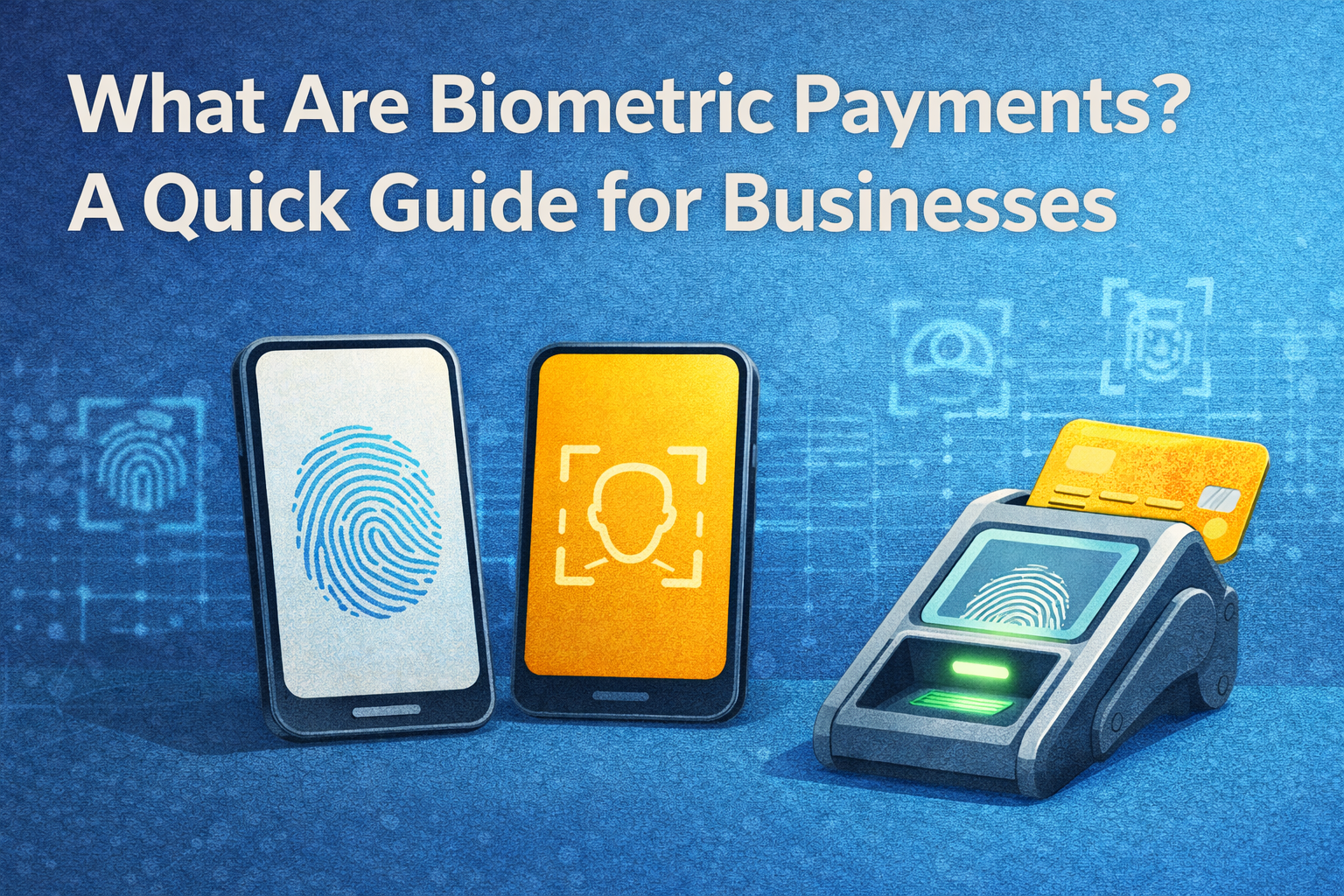
- Biometric Authentication: Facial recognition and fingerprint scans for added safety.
- AI-Powered Fraud Detection: Real-time alerts for suspicious activity.
- Contactless & Mobile Wallets: Tap-to-pay is safer and faster.
- Blockchain Integration: Some platforms are exploring decentralized transaction verification.
All these innovations aim to make payment processing solutions faster, smarter, and way more secure.
Why Businesses Should Adopt Secure Payment Solutions
Let’s flip the script—what about businesses? Here’s why secure payment processing solutions are non-negotiable:
- Build Trust: Customers feel safer when security is top-notch.
- Prevent Chargebacks & Fraud: Less money lost, fewer headaches.
- Stay Compliant: Meeting PCI DSS and industry regulations is a must.
- Enhance User Experience: Faster checkouts, fewer failed payments.
- Adapt to Consumer Behavior: People expect mobile, digital, and secure options.
Security isn’t just a nice-to-have—it’s a competitive advantage.
Conclusion
Whether you’re shopping online or managing a business, virtual credit cards and secure PIN practices can make a world of difference. Combine that with a solid understanding of how credit card processing works, and you’re light-years ahead in protecting your financial world.
So go ahead—use that virtual number, update your PIN, and explore modern payment processing solutions. Your wallet (and your sanity) will thank you.