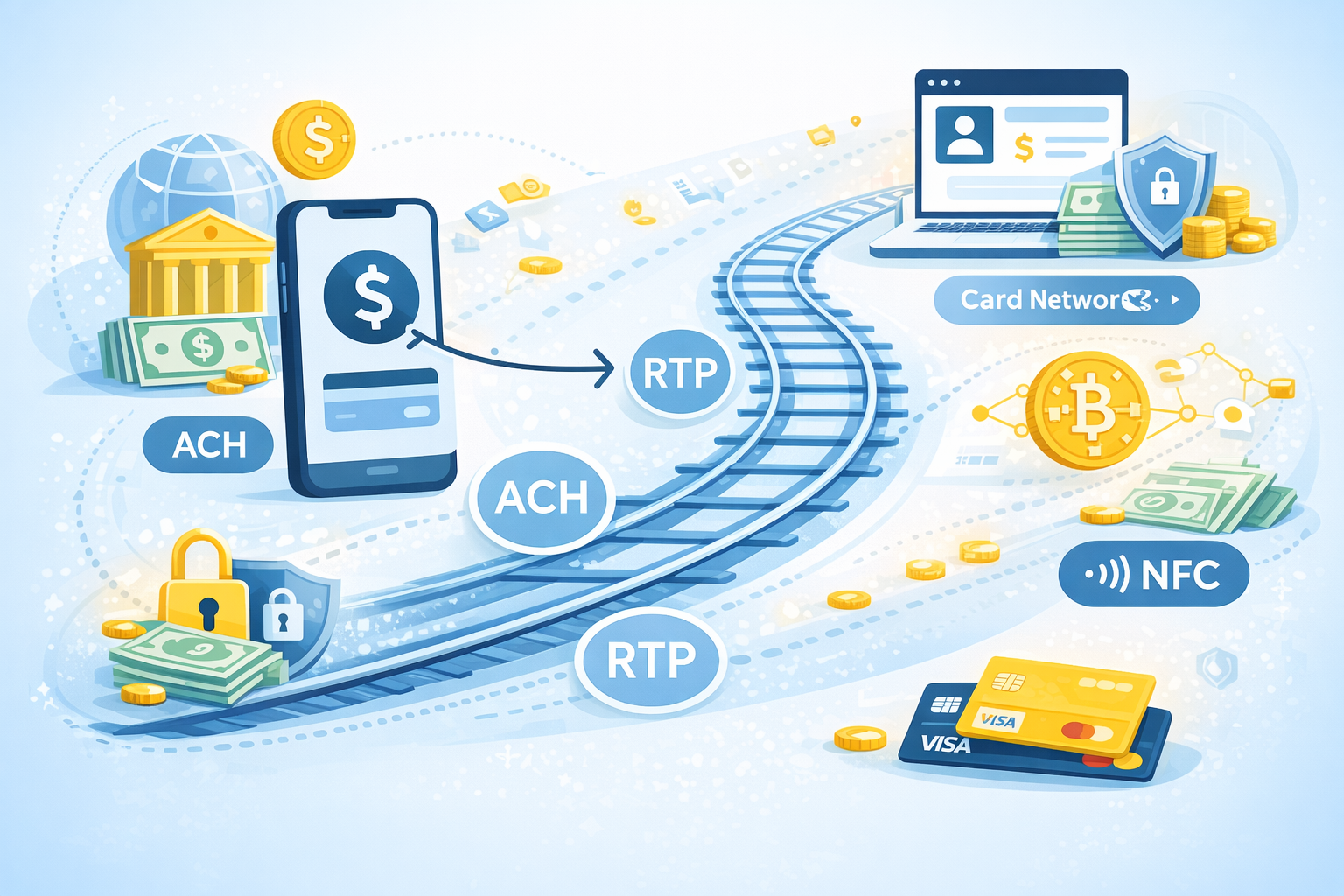
When you’re shopping online, have you ever wondered what makes your payment go through in seconds? That magic behind the scenes is called a payment system in eCommerce. In simple terms, it’s the technology and process that allows businesses to accept payments from customers over the Internet. Whether it’s a credit card, UPI, or a mobile wallet, these systems make transactions smooth and secure.
So, if you’re asking “how do online stores accept payments?” or “how does eCommerce payment processing work?”, you’re basically asking about e-commerce payment solutions. Let’s explore the must-have features and different types to give you the full picture.
Features You Need in Payment Systems in eCommerce
If you’re planning to sell online, choosing the right payment processing solutions is a big deal. Here’s what you should be looking for:
- Security & Compliance: Look for PCI-DSS compliance to keep your data safe.
- Multiple Payment Options: Cards, wallets, UPI, net banking—you need to offer all popular modes.
- Mobile Optimization: Your payment system should work smoothly on mobile devices.
- Speed & Reliability: No one wants to wait during checkout.
Type of Payment System
There are several ways businesses handle payments. Knowing the differences helps you pick what suits your store best:
Hosted Payment Page
This is when the user is redirected to a third-party payment gateway like PayPal or Razorpay. It’s super secure and ideal for small businesses that don’t want to handle sensitive data themselves.
Self-Hosted Payment Page
Here, the customer inputs payment details right on your site. You then send that data to the payment gateway. It’s more customizable but also means you’re more responsible for security.
QR Codes and Payment Links
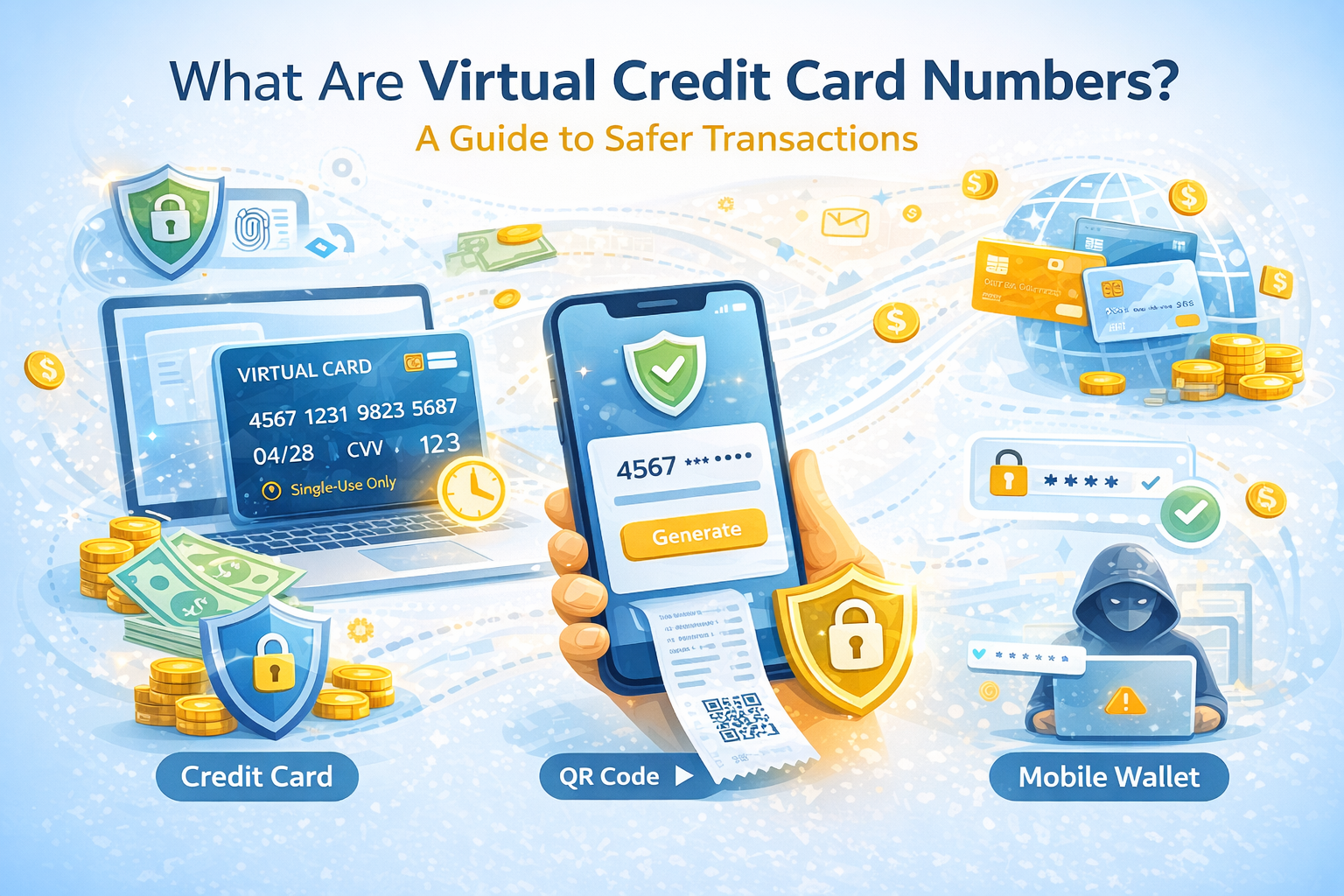
Super handy for mobile-first users! Just scan a QR code or click a payment link and boom—payment made. These are increasingly becoming popular as flexible e-commerce payment solutions.
Transaction Flow for Payment Systems in eCommerce
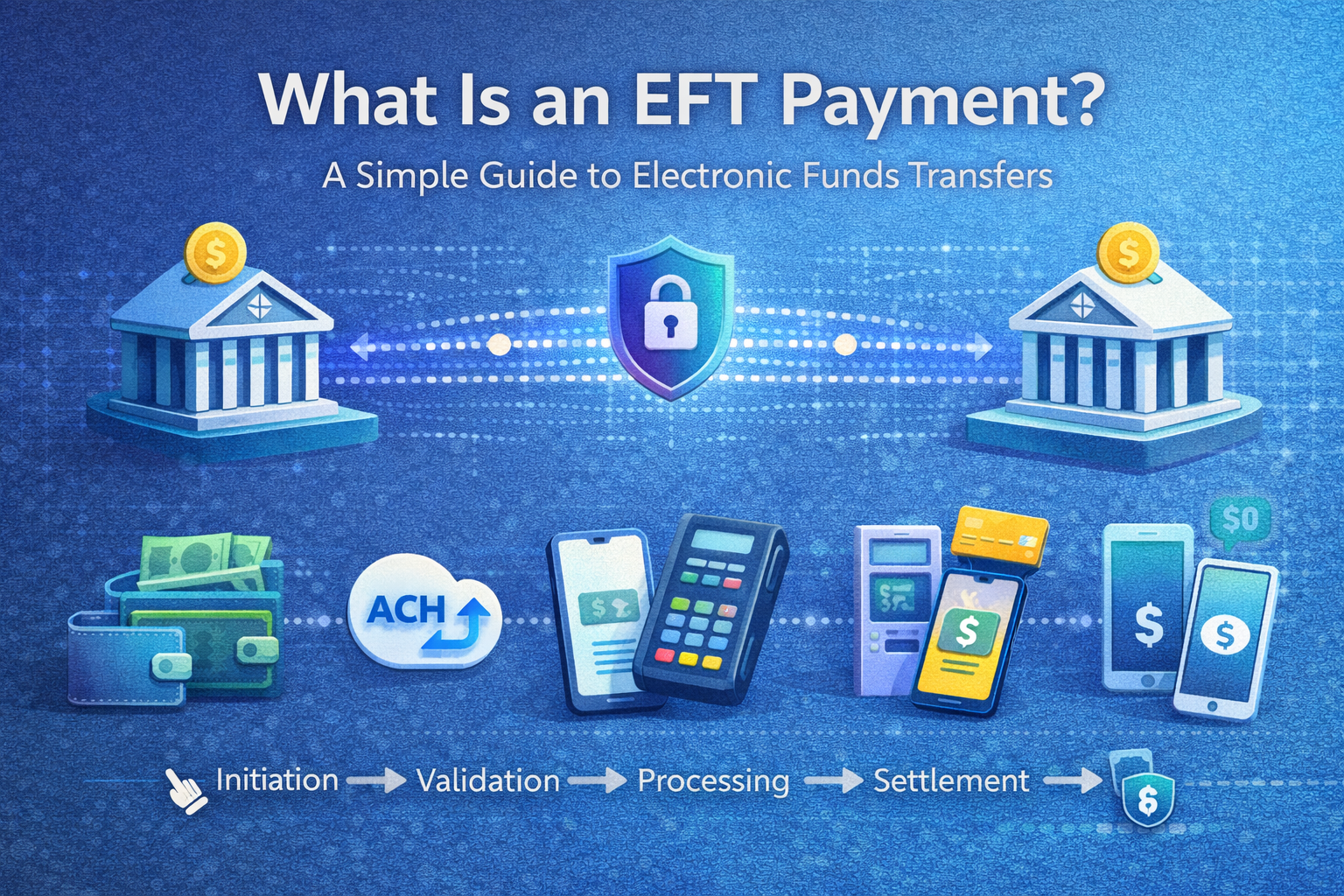
Ever wondered, “What happens after I hit pay?” Here’s a simple breakdown:
- The customer enters payment details.
- Payment request goes to the gateway.
- The gateway communicates with the bank.
- The payment gets approved or declined.
- Confirmation is sent to both parties.
Recurring Bill
Want to offer subscriptions? Your payment processing solutions should support recurring billing to automate the process and reduce churn.
Sub Merchant Account
Platforms like marketplaces use sub-merchant accounts to manage multiple vendors. It helps split payments smoothly.
Easy Onboarding and Integration
Choose e-commerce payment solutions that are plug-and-play—no developer headaches.
Payment Analytics
Your system should give you insights into transactions, failures, and trends. Data is power, after all.
Instant Settlements
Waiting for days to get your money is frustrating. Look for instant or same-day settlement options.
Refunds for Ecommerce
Easy refund processing keeps customers happy and builds trust.
Swift Reconciliation
Your finance team will thank you for payment systems that make reconciling transactions a breeze.
Bank Account Verification
Prevent fraud by verifying bank details before any money moves.
Vendor Commissions
Running a multi-vendor marketplace? Automatically split payments and track vendor commissions without sweat.
Sell Globally
Choose payment processing solutions that support multiple currencies and international cards so you can scale beyond borders.
Conclusion
So there you have it—a complete beginner-friendly breakdown of e-commerce payment solutions and what makes them tick. Whether you’re setting up your first store or looking to optimize, the right payment processing solutions can make or break your success. Look for security, flexibility, and ease of use, and you’re already halfway there.