Still making payment blunders in 2025? You’re not alone. In today’s ultra-digital landscape, payment systems are evolving fast, and if your business is stuck using yesterday’s tech or ignoring key innovations like FedNow or AI, you’re leaving money on the table.
Whether you’re running a retail store, an eCommerce brand, or a B2B operation, avoiding these common errors can save you from lost sales, security risks, and massive inefficiencies. Here’s a breakdown of the top 10 payment processing mistakes businesses across the U.S. are still making and what you can do to fix them.
1. Stuck with Outdated POS Systems
Let’s face it, your point-of-sale systems are the heartbeat of your business. If you’re still clinging to clunky, outdated hardware or limited-functionality POS software, you’re probably slowing down your checkout process and frustrating your staff and customers alike.
Modern payment processing solutions come with sleek, cloud-based POS systems that integrate seamlessly with inventory, CRM, and accounting tools. If your checkout freezes when the Wi-Fi lags or doesn’t accept tap-to-pay, it’s time to upgrade.
2. Ignoring Real-Time Payments (FedNow/RTP)
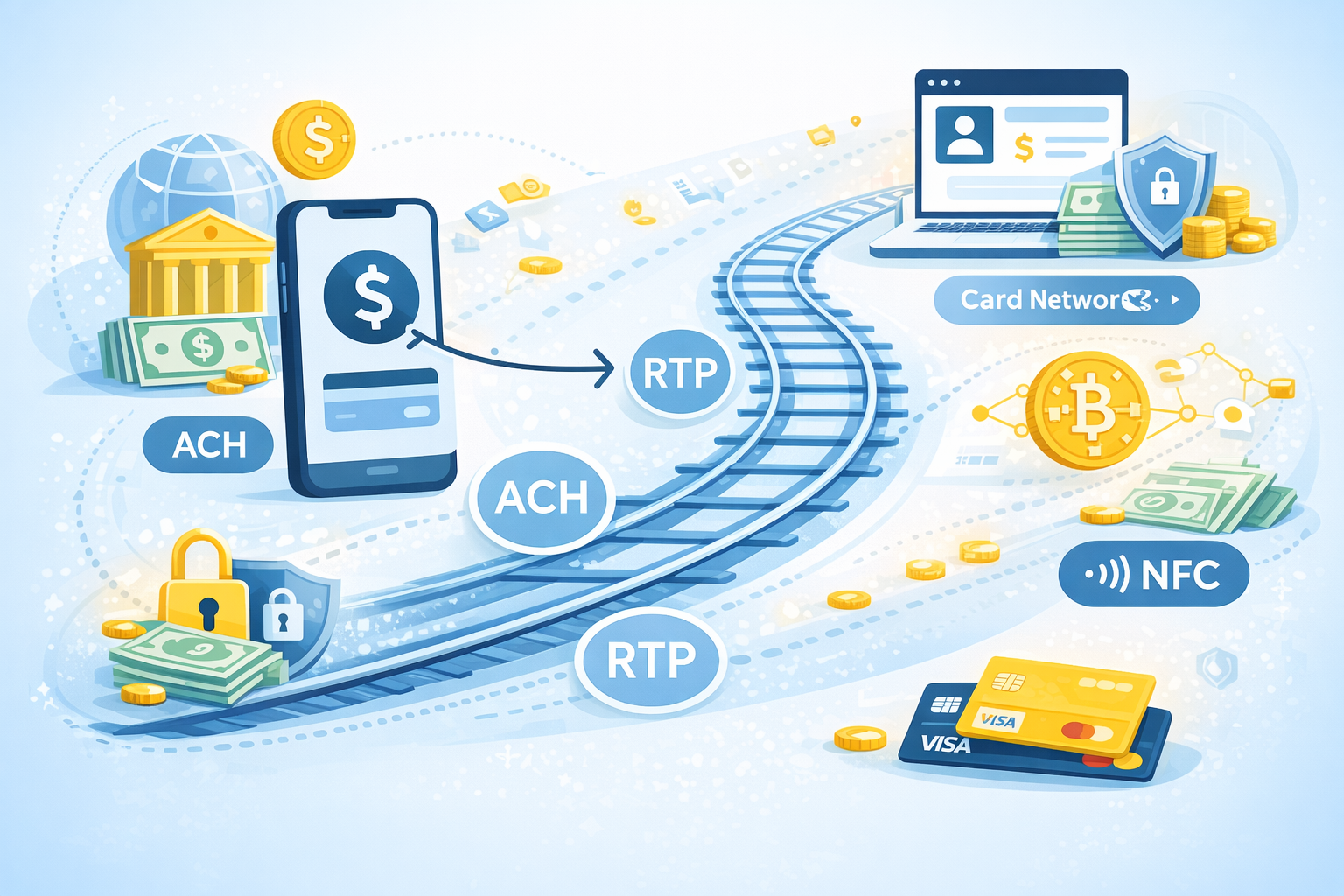
The U.S. payment ecosystem finally caught up with real-time payments, thanks to FedNow and RTP (Real-Time Payments). Yet, many businesses still rely on traditional ACH or card rails and completely ignore these faster alternatives.
Real-time payments improve cash flow, reduce wait times, and boost customer satisfaction. The right payment processing solutions let you integrate FedNow and RTP with minimal disruption, so you’re not stuck in 2015 when it comes to fund transfers.
3. Poor Fraud & Security Posture
Cybercriminals are getting smarter. And in 2025, if your fraud prevention strategy hasn’t evolved, your business is vulnerable. Many merchants still skip real-time transaction monitoring or fail to deploy tokenization and advanced encryption.
Modern payment processing solutions embed fraud detection tools using AI, biometrics, and behavioral analytics to catch suspicious activity before it hits your bank account. Don’t let chargebacks and fraud eat into your profits.
4. Skipping PCI DSS Compliance Checks
Just because you’ve passed PCI compliance once doesn’t mean you’re safe forever. PCI DSS (Payment Card Industry Data Security Standard) compliance is an ongoing process, especially with new updates released recently.
Failing to keep up with PCI requirements can lead to heavy fines or data breaches. Thankfully, many payment processing solutions offer built-in PCI DSS compliance tools, auto-scanning, and audit support to keep you in the clear year-round.
5. Mishandling Chargebacks & Fees
Chargebacks are more than just annoying; they’re expensive. And many businesses don’t even realize how much revenue they lose because of weak chargeback response systems or unclear fee structures.
You should know exactly how disputes are handled and what each transaction is costing you. Transparent payment processing solutions offer detailed dashboards, automatic dispute resolution, and proactive alerts to manage chargebacks before they become profit-drainers.
6. Ignoring A2A (Account-to-Account) Payments
A2A payments, also known as bank-to-bank transfers, are quickly becoming a preferred method for everything from payroll to customer refunds. They’re faster, more direct, and cheaper than credit card transactions.
Yet, many businesses completely ignore them. That’s a missed opportunity. The best payment processing solutions let you offer A2A options easily, giving customers and vendors an efficient alternative to card payments.
7. Manual Reconciliation & Integration Faults
Still manually entering data between your POS, ERP, and accounting systems? That’s not just inefficient, it’s error-prone. Manual reconciliation leads to reporting delays, missed entries, and frustrated accountants.
Today’s top payment processing solutions automate reconciliation by syncing all your systems in real-time. Integration with QuickBooks, NetSuite, and others is seamless, freeing your team to focus on higher-level insights rather than fixing spreadsheet errors.
8. Regulatory Overlook (ACH, Tax & BOI)
Between changing ACH rules, sales tax compliance, and new Beneficial Ownership Information (BOI) regulations, keeping up with the regulatory landscape is a full-time job. But many businesses ignore it until it’s too late.
Non-compliance can mean delayed payments, stiff penalties, and even legal exposure. Forward-looking payment processing solutions come pre-loaded with regulatory compliance tools, alerts, and automated reporting features that help you stay ahead of rule changes.
9. Poor Payment UX & Slow Checkout
Here’s a reality check: if your payment page takes more than a few seconds to load or requires users to fill out endless fields, you’re losing customers. Cart abandonment and conversion drop-offs are real, especially on mobile.
The solution? UX-optimized payment processing solutions with one-click payments, digital wallets, and smart autofill. A smooth, mobile-first checkout experience isn’t just nice, it’s non-negotiable in 2025.
10. Lacking Strategy for Innovation (AI & Embedded Finance)
In 2025, AI isn’t just for marketing; it’s transforming payments, too. From intelligent routing and fee optimization to fraud prediction and embedded finance experiences, the industry is moving fast.
Unfortunately, many businesses have no roadmap for innovation. Future-ready payment processing solutions offer open APIs, plug-and-play embedded finance modules, and AI tools that grow with your business. The question is, are you ready to adopt them?
Conclusion
These 10 mistakes are holding businesses back from achieving true payment excellence. Whether you’re bogged down by old tech or missing out on real-time capabilities, one thing’s clear: payment transformation is no longer optional.
By choosing modern, intelligent payment processing solutions, you not only stay compliant but you also improve cash flow, security, user experience, and overall efficiency. Don’t wait for the next audit, breach, or lost sale to force a change.
Take control now. Assess your current stack, book a demo with providers offering real-time capabilities, and create a roadmap to innovate your entire payment experience.