Running a Software-as-a-Service (SaaS) business is exciting, but if you’ve ever handled payments, you know how complex it can get. Payment processing isn’t just about moving money from customers to your account; it’s about making sure billing is seamless, secure, and scalable as your business grows. That’s where the right payment processing solutions and strategies come into play.
In this blog, we’ll break down the biggest challenges in SaaS payment processing and explore practical solutions. We’ll also cover what you should look for in SaaS billing software to streamline operations, reduce churn, and maximize revenue.
What is SaaS Payment Processing?
SaaS payment processing refers to the systems and methods used to collect payments for subscription-based software services. Unlike one-time purchases, SaaS businesses depend on recurring billing and subscription services, meaning customers are charged monthly, annually, or based on usage.
This recurring model makes SaaS attractive for stable revenue growth, but it also introduces challenges like billing errors, failed payments, security risks, and involuntary churn. Let’s explore these in detail.
Key Challenges in SaaS Payment Processing
1. Invoicing and Billing
Billing in SaaS is never one-size-fits-all. Some customers want monthly invoices, while others prefer annual subscriptions with discounts. Add in trial periods, upgrades, downgrades, or mid-cycle cancellations, and things get messy fast.
The Solution: Automating invoicing with advanced payment processing solutions ensures customers are billed correctly and on time. The best systems allow for flexible pricing models—tiered, usage-based, or flat-rate, without manual headaches.
2. Scaling Globally
A growing SaaS company often expands beyond its home market. Suddenly, you’re dealing with multiple currencies, international tax rules (like VAT and GST), and cross-border regulations. According to Statista, the SaaS market worldwide is projected to surpass $232 billion by 2024, highlighting just how important global readiness is.
The Solution: Choose a payment processor that supports multi-currency transactions, tax compliance, and global gateways. Customers should be able to pay in their preferred currency without hidden conversion fees.
3. Security
When handling sensitive customer data, security isn’t optional; it’s mandatory. SaaS businesses are prime targets for fraud, phishing, and data breaches. A single breach can damage a reputation and lead to legal trouble.
The Solution: Implement PCI DSS compliance, tokenization, and two-factor authentication in your payment processing solutions. Regular audits and real-time fraud detection tools are essential for protecting both your customers and your revenue.
4. Involuntary Churn
Did you know that 20–40% of SaaS churn is involuntary? This happens when payments fail due to expired credit cards, insufficient funds, or network errors (ProfitWell). Even if customers want to stay, failed transactions can push them away.
The Solution: Use intelligent dunning management and automated retries. Proactive reminders before card expirations, along with easy ways for customers to update billing information, significantly reduce churn caused by failed payments.
5. Revenue Analytics
Without clear insights into metrics like MRR (Monthly Recurring Revenue), ARR (Annual Recurring Revenue), churn rates, and customer lifetime value, SaaS leaders fly blind.
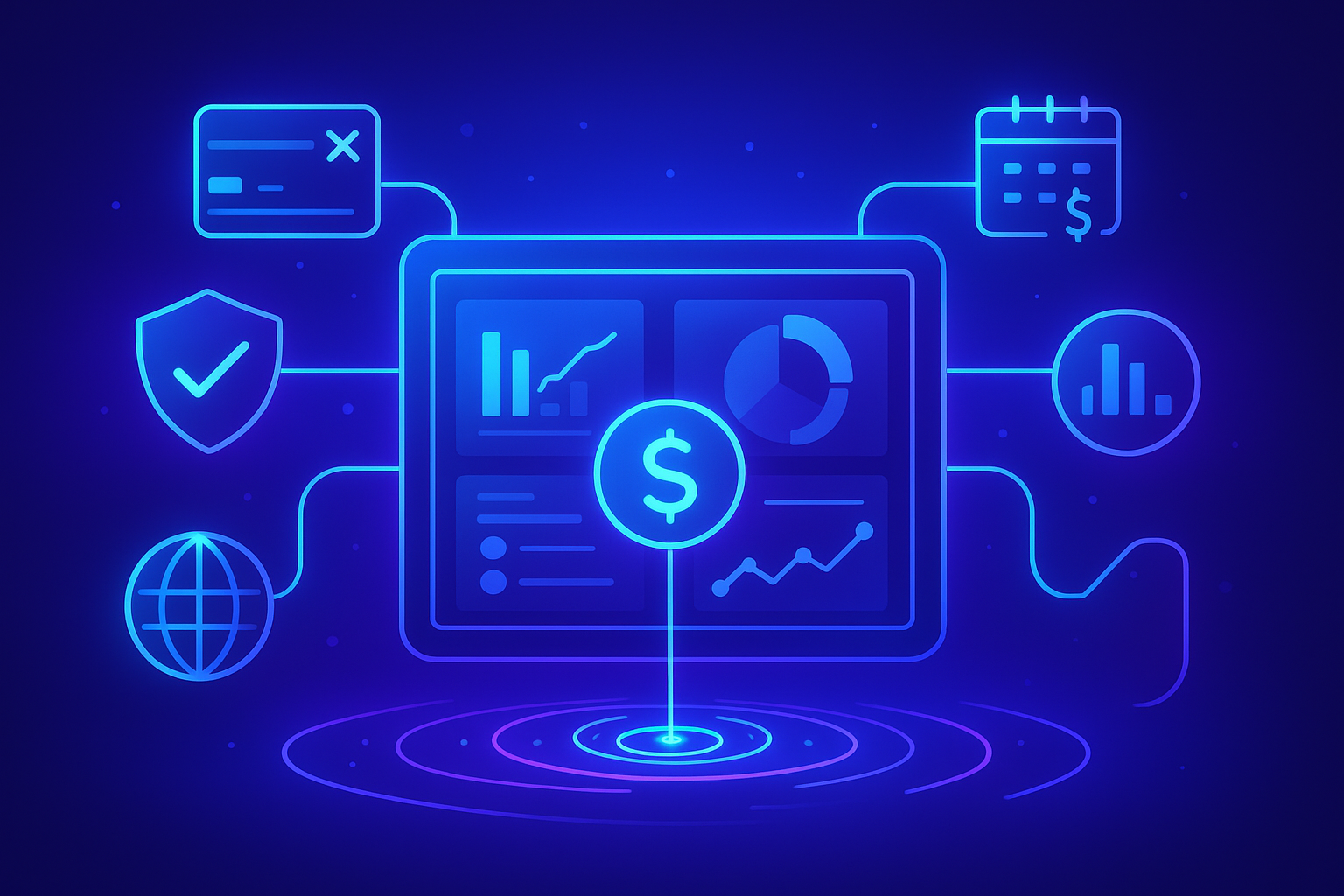
The Solution: Integrate revenue analytics directly into your recurring billing and subscription services. This allows you to track growth, spot trends, and make data-driven decisions to optimize pricing and customer retention.
What to Look for in SaaS Billing Software
Choosing the right billing software can make or break your SaaS business. Here are the must-have features to keep an eye on:
1. Billing
Your billing system should handle complex invoicing with ease—whether it’s usage-based, tiered pricing, or simple monthly subscriptions. Automated tax handling and compliance features are also essential.
2. Payments
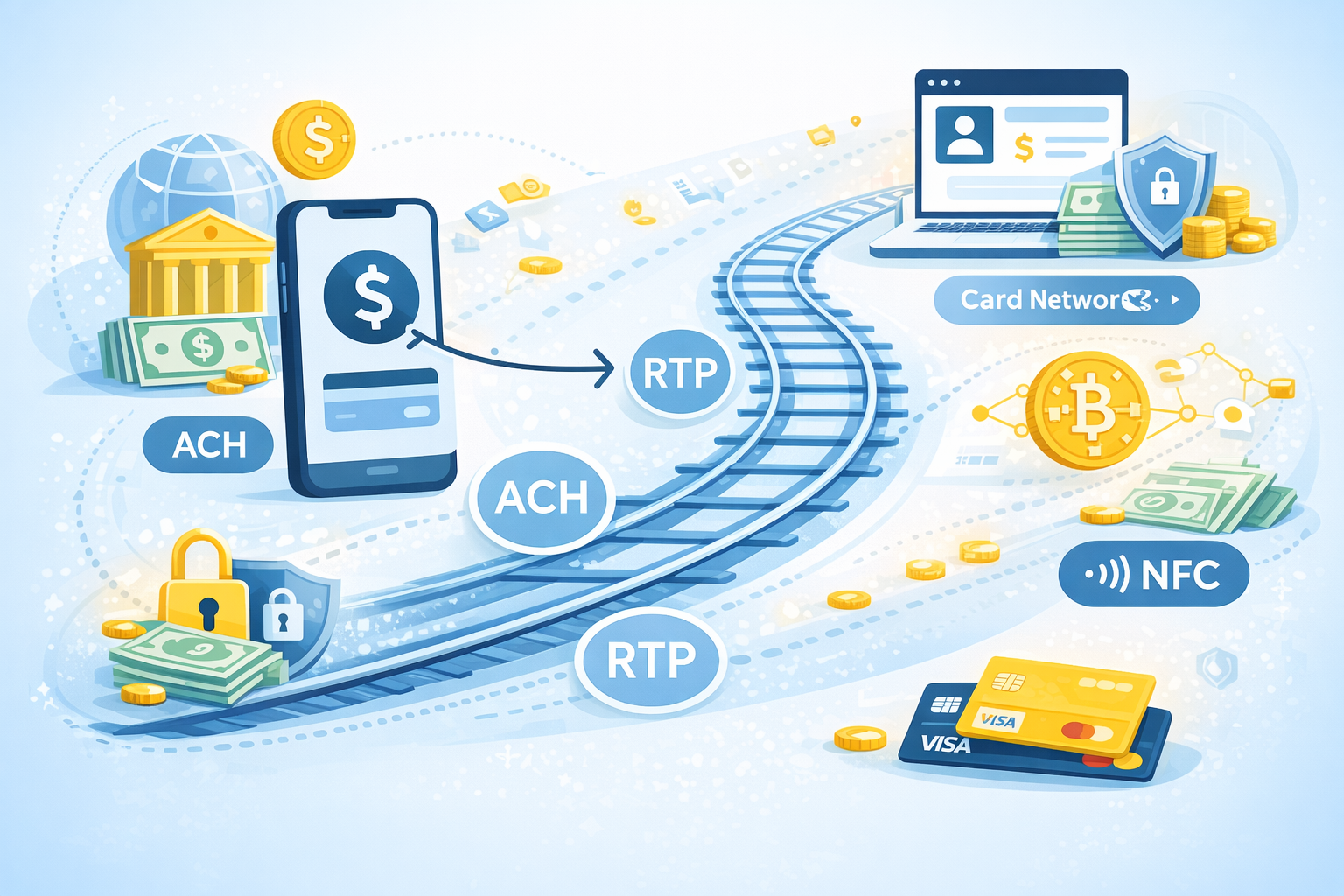
Look for software that integrates with multiple payment processing solutions and gateways like Stripe, PayPal, or Adyen. Offering multiple payment options (credit card, ACH, digital wallets) ensures customers can pay the way they prefer.
3. Revenue Management
Strong revenue management tools help track MRR, ARR, and deferred revenue. This visibility is crucial for investors, strategic decisions, and long-term stability.
-
Subscription Management
Managing upgrades, downgrades, cancellations, and free trials can get complex. A great system automates subscription lifecycle events, making customer experiences smooth while minimizing manual work.
-
Localization
Global SaaS businesses need billing software that supports multiple languages, currencies, and regional tax compliance. Customers are more likely to trust and stick with providers who offer a localized experience.
Conclusion
SaaS payment processing is both a challenge and an opportunity. From invoicing headaches to global scale complexities and security risks, every stage has its hurdles. But with the right payment processing solutions and robust recurring billing and subscription services, SaaS businesses can streamline operations, prevent revenue leakage, and scale confidently.
Investing in flexible, secure, and global-ready billing software is no longer optional; it’s essential. By focusing on automation, analytics, and customer experience, you’ll not only reduce churn but also unlock sustainable revenue growth in a competitive market.